Building Estate Intelligence
One maintained record for the estate
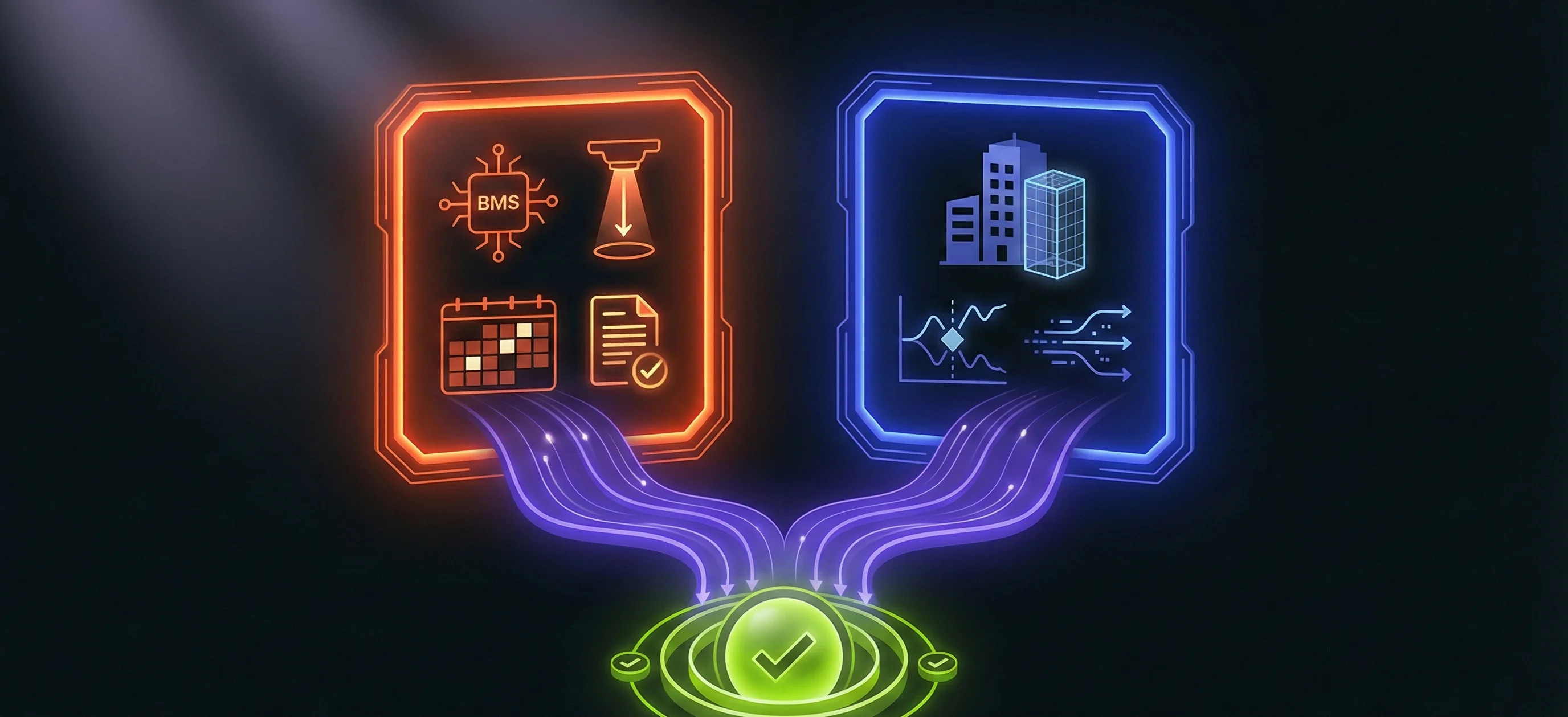
Aeterno keeps building context, triage, intervention support, verification, and learning connected across operational teams.
The problem
Estate teams do not have a continuous view of each building.
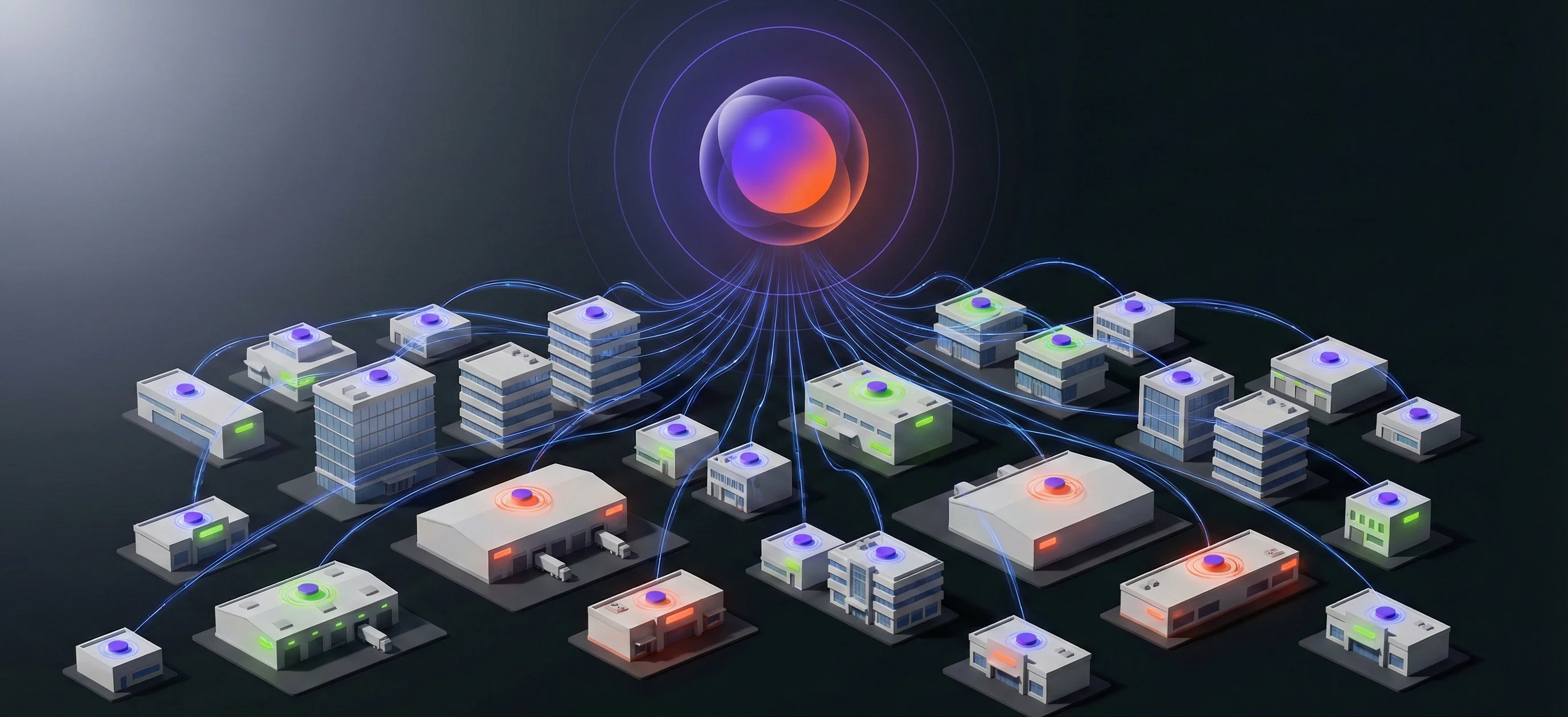
The same site is touched by remote operations, field engineers, account teams, compliance leads, and sustainability teams. But the record of what was known, recommended, changed, and verified is often split across tools.
Estate context is spread across tools
Monitoring platforms, service notes, surveys, maintenance history, and commercial records often describe the same building differently. Teams spend time rebuilding context before they can decide what to do next.
Triage depends on specialist interpretation
Alerts and reports can show that something needs attention, but the practical judgement about priority, likely cause, and next step still sits with a small group of experienced people.
Evidence gets weaker as work moves on
Findings, recommendations, site actions, and outcomes are often recorded in separate places. That makes it harder to prove what changed, learn from it, or explain the decision later.
What Aeterno does
We keep estate work connected.
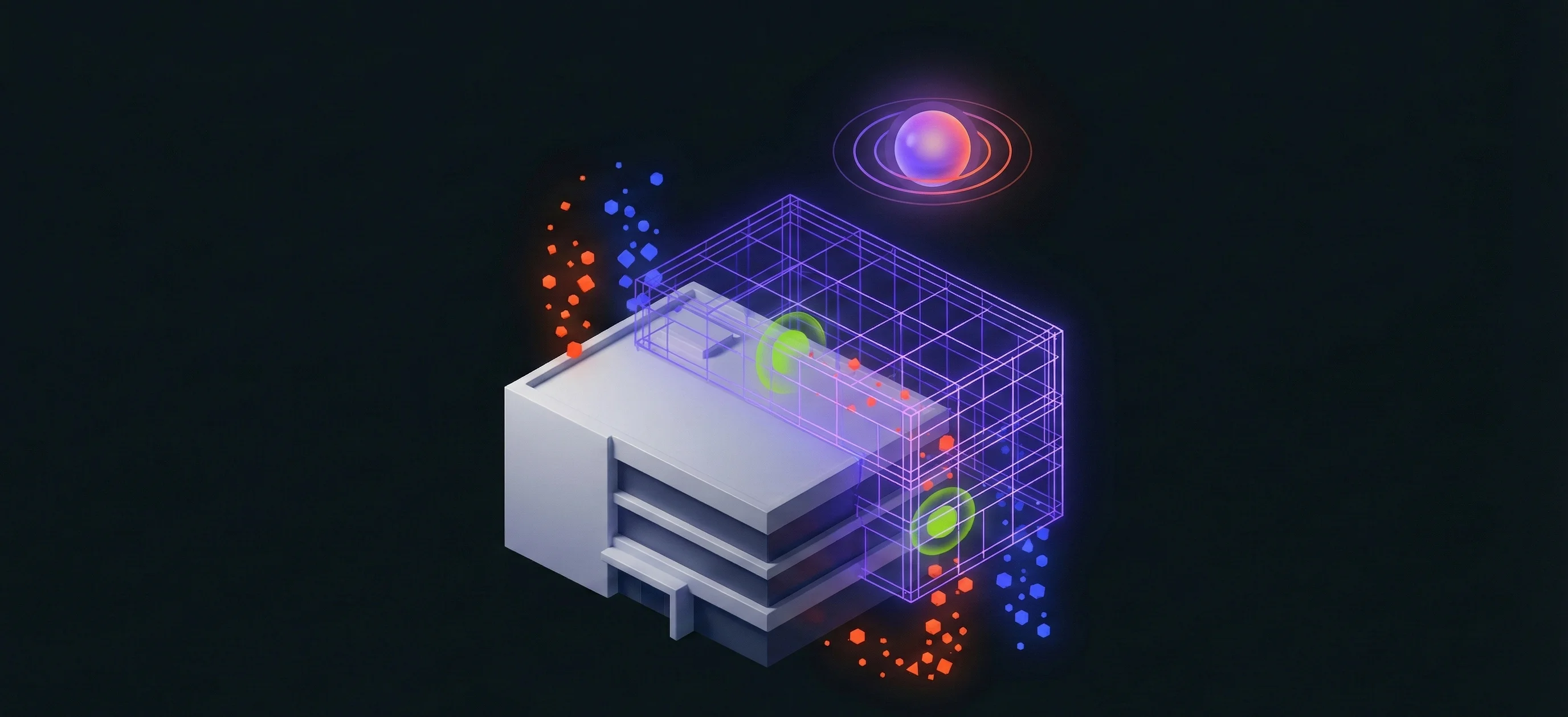
In simple terms: Aeterno maintains one estate record, gives each team the view they need, and turns verified outcomes into better future decisions.
Maintain one estate record
Keep building context, known assumptions, observed behaviour, triage notes, interventions, and verification evidence attached to the same operational record.
Give each team the right view
Operations, field, account, compliance, and sustainability teams work from the same underlying record while seeing the context and next steps that matter to their role.
Turn outcomes into learning
Verified results feed back into playbooks, future triage, reporting, and team enablement so the estate becomes easier to manage over time.
How it works
The same case stays useful from review to verified outcome.
Each stage adds context, evidence, and results, so the next team starts from a better record instead of a fresh investigation.

Record
Create and maintain the operational record for each building, including context, assumptions, available data, known issues, and service history.
Assess
Compare observed behaviour with the estate record and expected performance so teams can see where review is needed.
Triage
Prioritise cases by impact, urgency, confidence, and readiness, then present the right view for operations, field, and account teams.
Support
Carry evidence, likely causes, constraints, and suggested next steps into remote review or field intervention workflows.
Verify
Compare expected and observed outcomes after action, then link the result back to the original finding and recommendation.
Learn
Feed verified outcomes back into playbooks, reporting, training scenarios, and future triage logic.
Where teams start
Start with one module, not a platform rewrite.
Most estate teams start where the current friction is highest, then expand into the rest of the operating lifecycle once the maintained record proves useful across more teams.

Estate Prioritisation
Maintain a ranked view of buildings, issues, and opportunities so teams can decide where attention is most useful.
Asset Performance
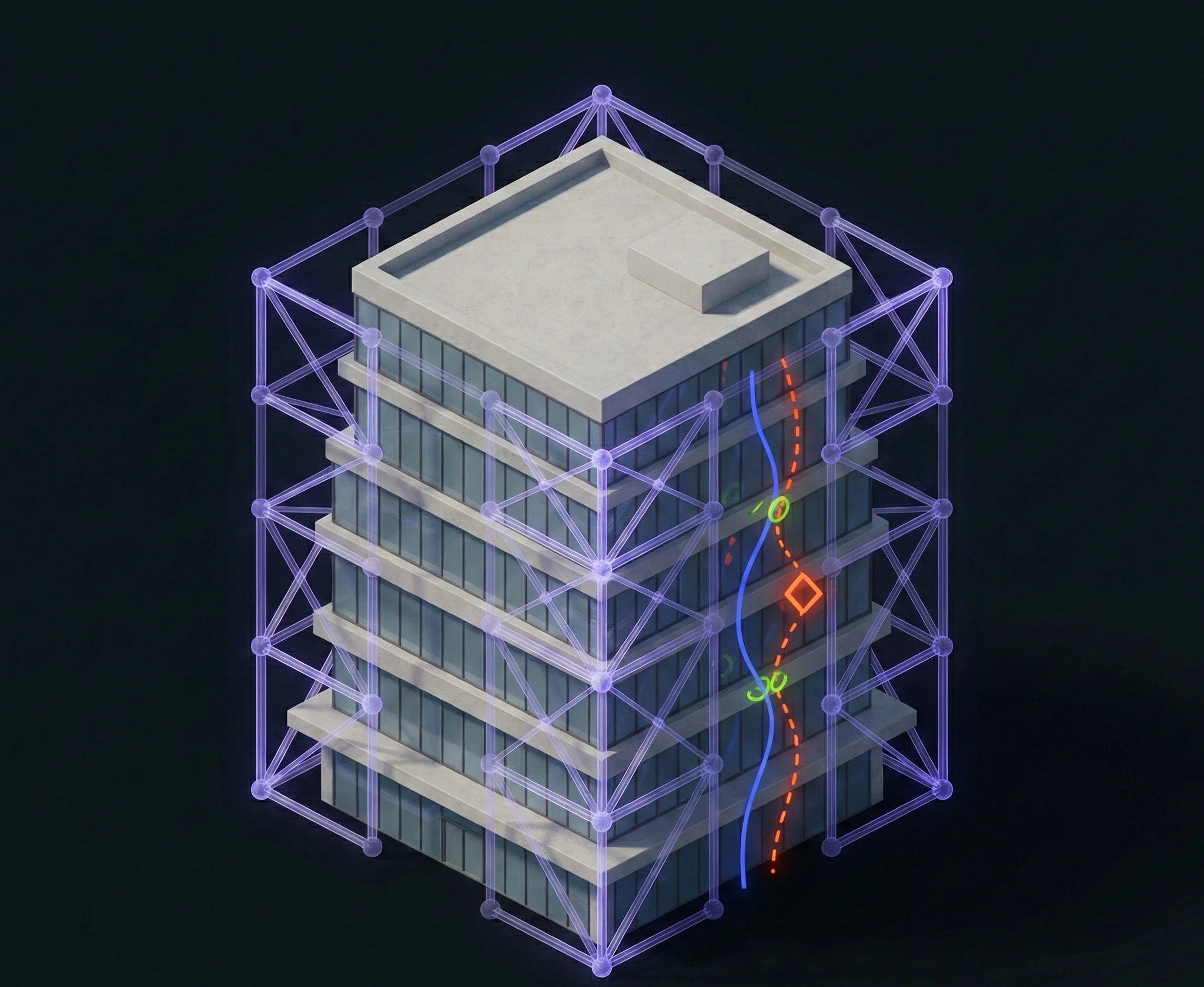
Compare expected and observed behaviour to understand where assets, systems, or operating conditions need a closer look.
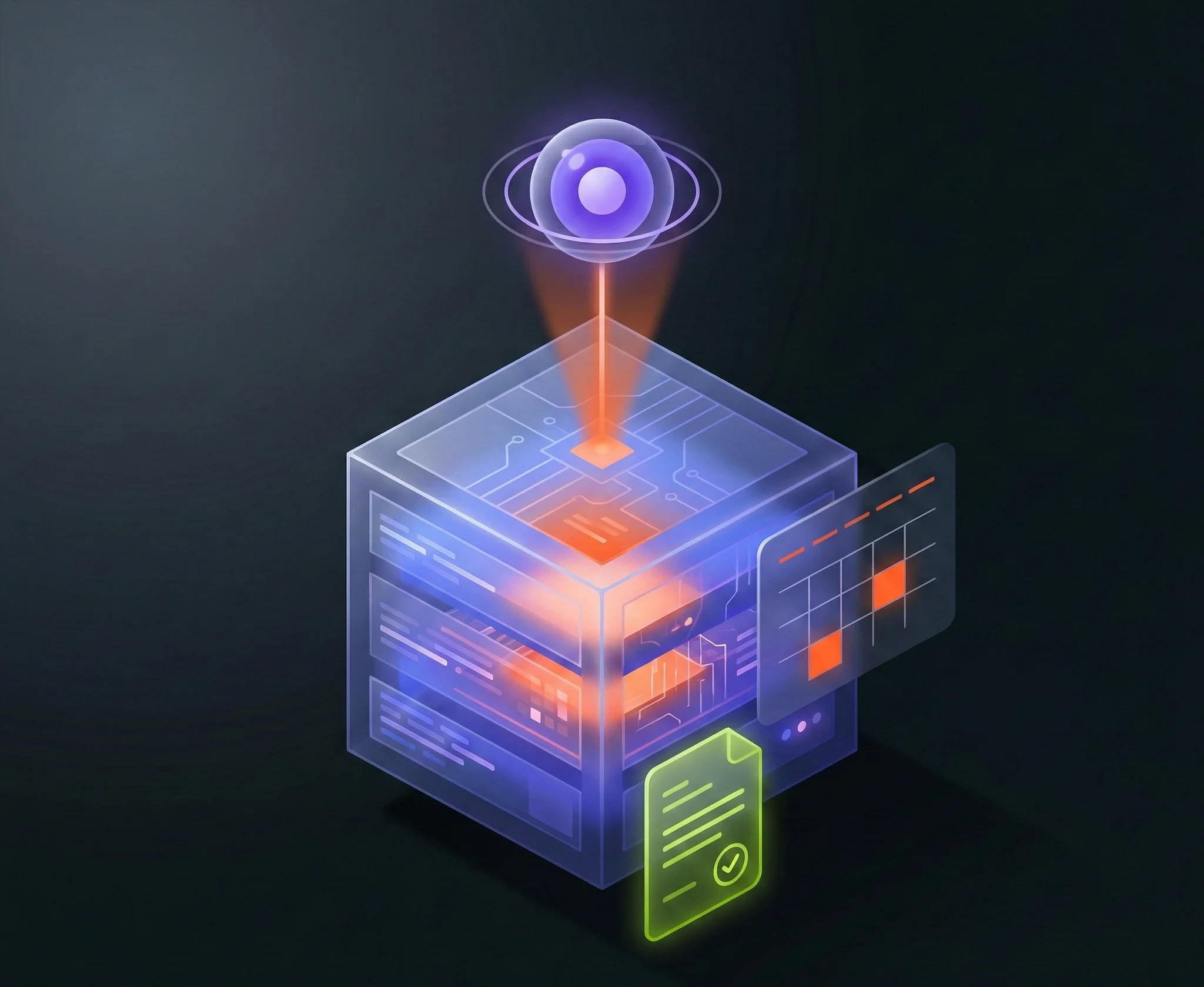
Intervention Intelligence
Support remote review and field work with building context, likely causes, evidence, and suggested actions for human approval.

Verification & Reporting
Show what was found, what action was taken, what changed afterwards, and what the estate should learn from it.
Business impact
What changes when the estate record stays connected.
The practical payoff shows up in triage, field preparation, customer conversations, risk control, and verified reporting.
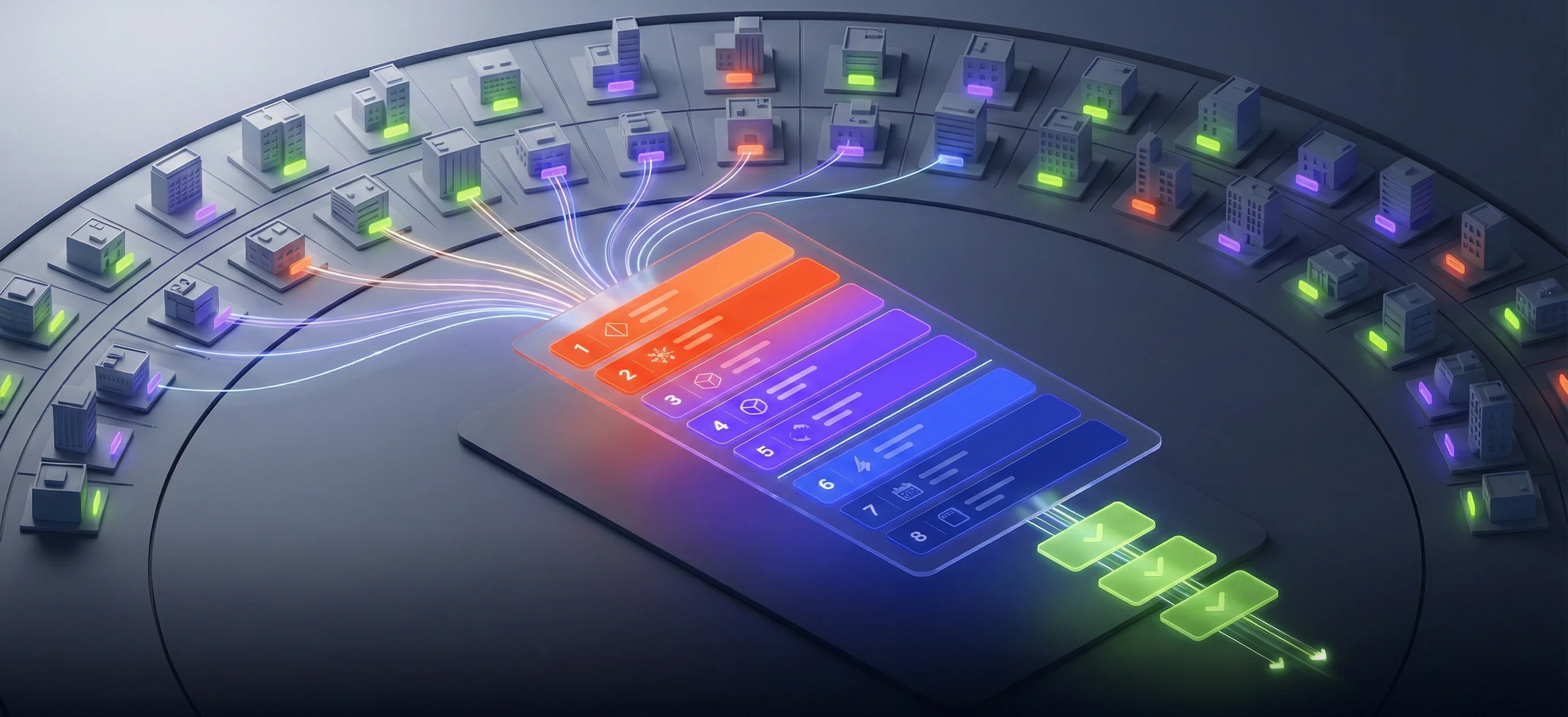
EMC Ops Lead
Review a prioritised estate queue with the context, confidence, and evidence needed to decide what deserves attention.
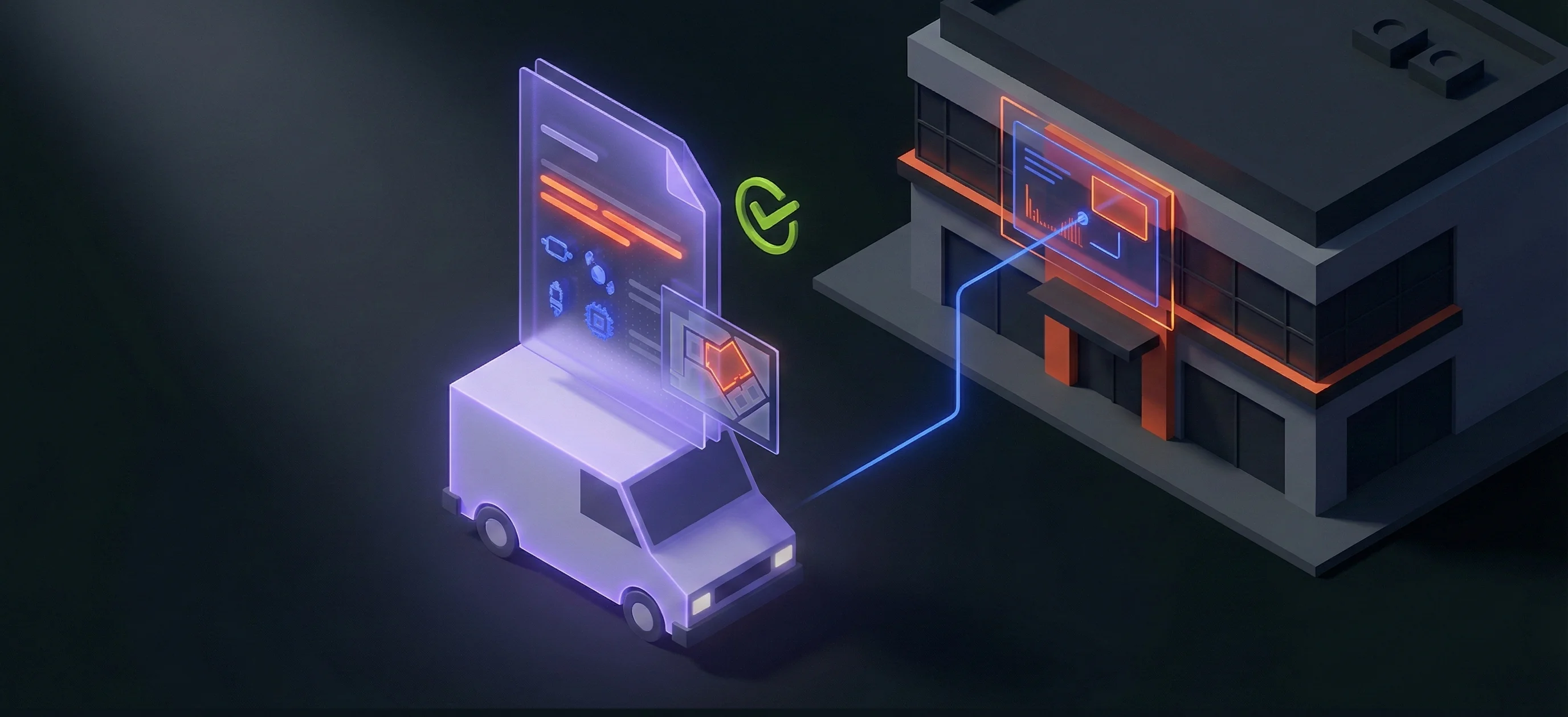
Field Engineer
Arrive with the building record, previous findings, likely causes, and verification needs already attached to the job.
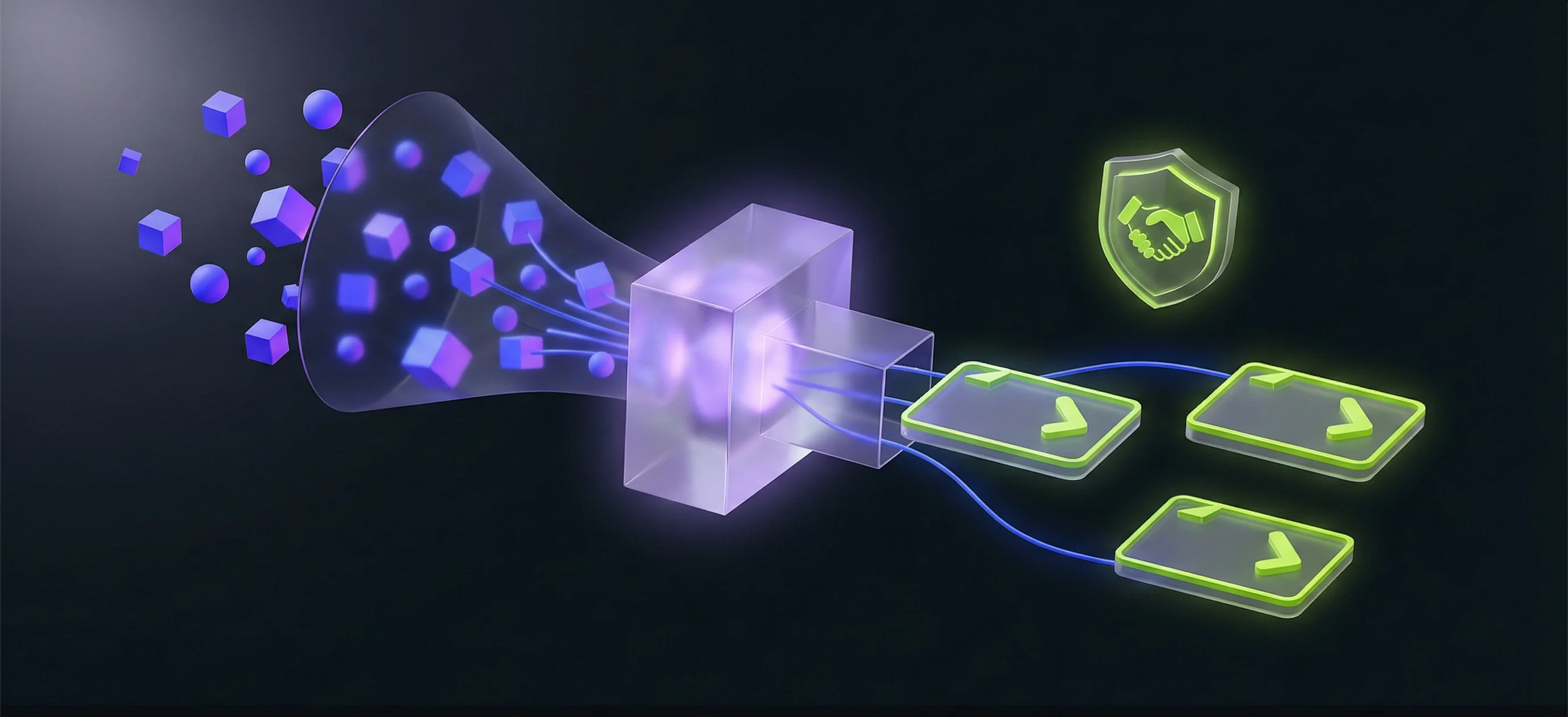
Commercial / Account
Turn operational findings into better scoped customer conversations with evidence, assumptions, and expected impact visible.
Compliance / Risk
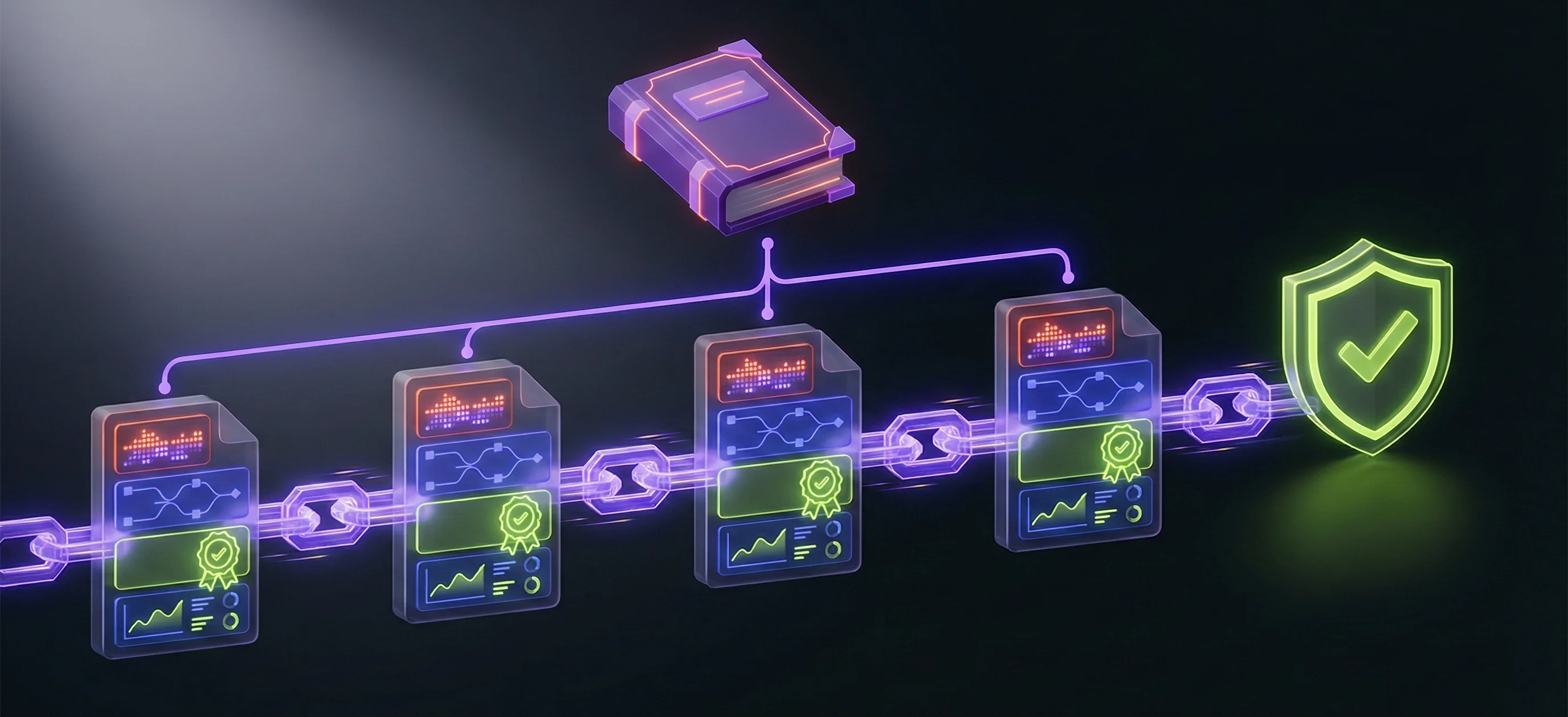
Keep a reviewable record of what was observed, recommended, approved, changed, and verified for each case.
Sustainability / Carbon
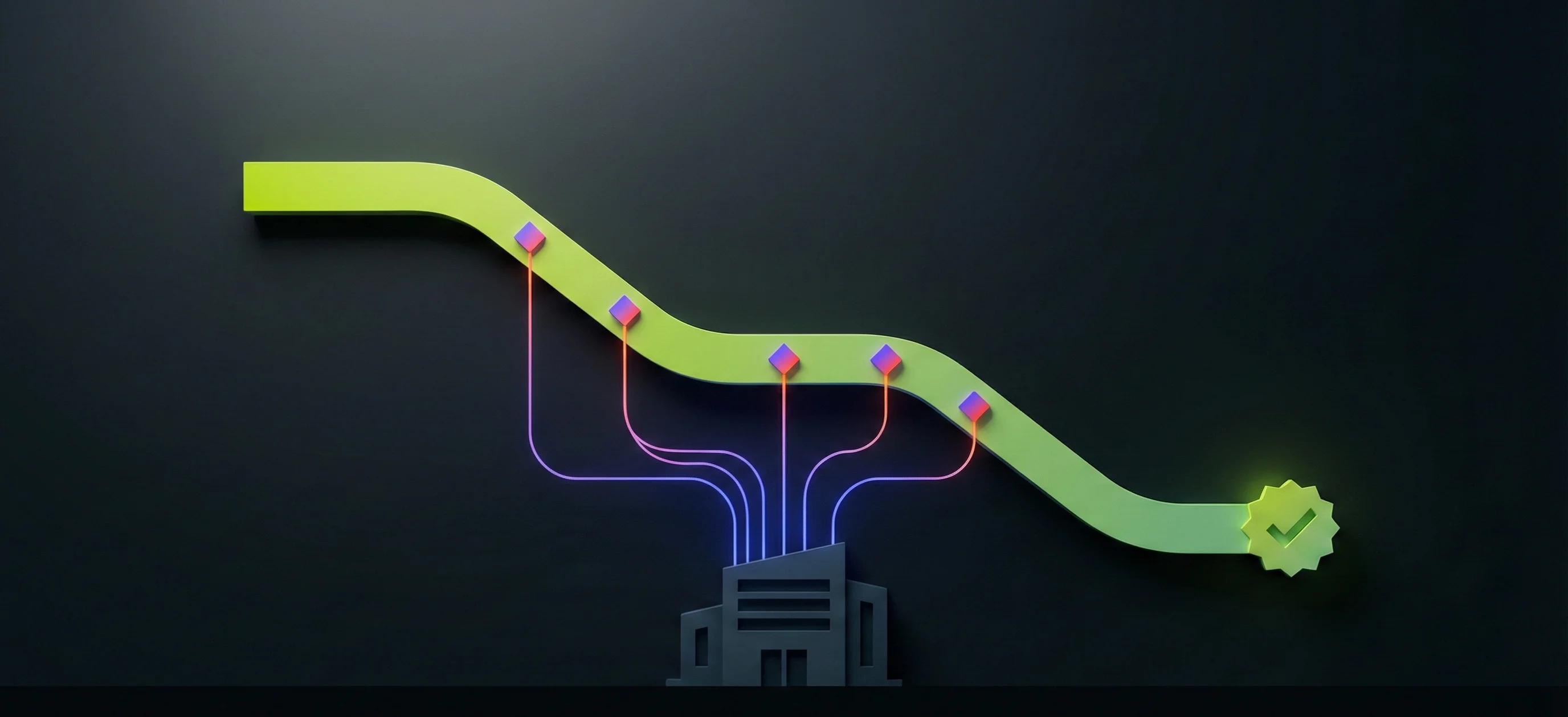
Connect reported kWh, cost, and carbon outcomes to specific interventions and the evidence used to verify them.
FAQ

Start with one module
Most estate teams start with prioritisation, asset performance, or verification, then expand once the maintained record proves useful across more workflows.